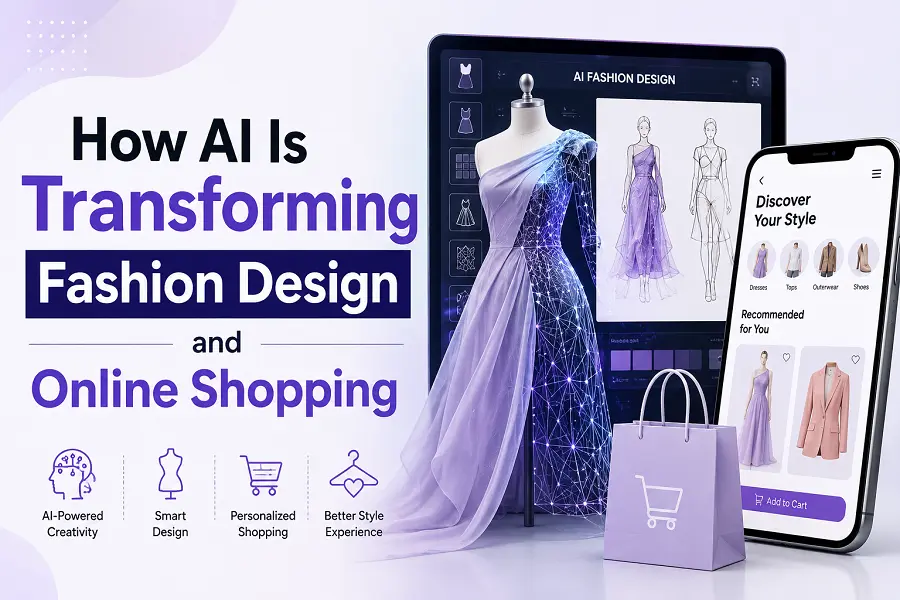
Artificial intelligence is changing how fashion is created, marketed, and purchased. From helping designers develop fresh collections to giving shoppers personalized recommendations, AI has become a valuable tool across the fashion industry. Rather than replacing creativity, it supports faster decision-making, improves efficiency, and delivers a better customer experience. As brands compete to meet changing consumer expectations, AI is helping bridge the gap between innovation and convenience.
How AI Is Reshaping Fashion Design
Fashion design has always required creativity, trend awareness, and careful planning. AI enhances these processes by analyzing large amounts of data and identifying patterns that would take humans much longer to discover.
Design teams now use AI to predict color trends, suggest fabric combinations, and generate concept ideas based on customer preferences. This allows designers to spend more time refining their creative vision instead of manually reviewing market data.
AI also improves product development by reducing unnecessary sampling. Digital prototypes help brands visualize garments before production, minimizing material waste and lowering development costs.
Key benefits include:
- Faster trend forecasting using consumer behavior data.
- More accurate demand predictions before manufacturing.
- Digital design assistance that speeds up creative workflows.
- Reduced fabric waste through virtual product development.
- Better inventory planning based on expected customer demand.
- Improved collaboration between design, production, and marketing teams.
How AI Improves the Online Shopping Experience
Online shopping has become more personalized because AI can understand customer preferences and browsing habits. Instead of displaying random products, modern shopping platforms present items that closely match individual interests.
1. Personalized Product Recommendations
AI analyzes previous purchases, browsing history, and shopping behavior to recommend products that are more likely to interest each customer. This saves time and makes product discovery easier.
2. Virtual Try-On Technology
Customers can preview clothing, eyewear, accessories, or makeup using augmented reality powered by AI. This creates greater confidence before making a purchase and reduces return rates.
3. Smarter Search Results
AI-powered search understands natural language instead of relying only on exact keywords. Shoppers can describe what they want using everyday phrases and receive relevant product suggestions.
4. Intelligent Customer Support
AI chat assistants answer common questions, recommend sizes, track orders, and provide shopping assistance throughout the buying journey, helping customers receive quick support at any time.
5. Better Size Recommendations
Sizing remains one of the biggest challenges in online fashion. AI compares product measurements with customer profiles and previous purchases to recommend the most suitable size, reducing exchanges and improving satisfaction.
Challenges and Future Opportunities for AI in Fashion
Although AI delivers impressive advantages, successful adoption requires thoughtful implementation. Fashion brands must balance automation with human creativity while protecting customer privacy and ensuring responsible use of data.
AI-generated designs still benefit from human judgment, especially when creating unique collections that reflect culture, emotion, and artistic expression. Designers remain essential because fashion is driven by storytelling as much as technology.
Looking ahead, AI is expected to support even more sustainable manufacturing, faster supply chain decisions, and highly customized shopping experiences. Consumers may eventually purchase clothing designed specifically for their measurements, style preferences, and lifestyle, making fashion more personal than ever before.
Conclusion
AI is transforming fashion design and online shopping by making creative processes more efficient and customer experiences more personalized. Designers gain valuable insights without sacrificing originality, while shoppers enjoy smarter recommendations, accurate sizing, and interactive shopping tools. As AI continues to evolve, fashion businesses that combine technology with human creativity will be better positioned to meet customer expectations and build long-term success.
FAQs
1. How does AI help fashion designers?
AI assists designers by predicting trends, generating design ideas, improving product development, and reducing waste through digital prototyping.
2. Can AI improve online clothing recommendations?
Yes. AI studies shopping behavior, preferences, and purchase history to recommend products that closely match each customer’s interests.
3. Does AI replace fashion designers?
No. AI supports designers by handling data analysis and repetitive tasks, while creative direction and artistic decisions remain human-driven.
4. Why is AI useful for online clothing stores?
AI improves search results, provides personalized recommendations, offers virtual try-ons, and helps customers choose the correct size, creating a smoother shopping experience.
5. What is the future of AI in fashion?
AI is expected to enable more sustainable production, personalized clothing, smarter inventory management, and highly customized shopping experiences.