The sports industry is entering a new phase where technology, fan expectations, and business innovation are evolving together. Organizations are investing in smarter training methods, personalized fan experiences, and sustainable operations to remain competitive. Whether you are a sports enthusiast, athlete, coach, or business professional, understanding the biggest sports trends of 2026 can help you stay ahead in a rapidly changing landscape.
The Biggest Sports Trends to Watch in 2026
Several developments are expected to redefine how sports are played, managed, and experienced.
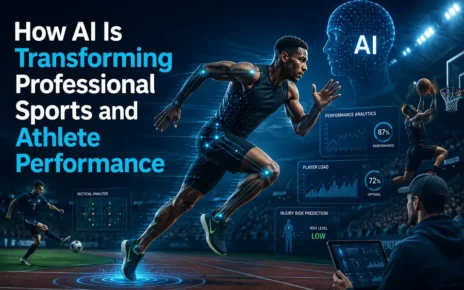
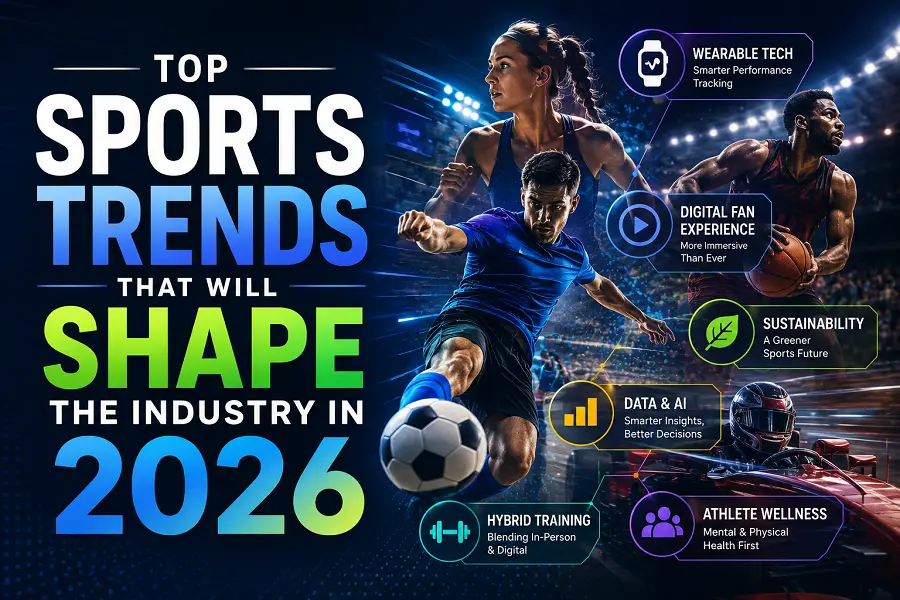
- AI-powered performance analysis will help coaches evaluate player movements, predict injuries, and optimize training sessions.
- Wearable technology will provide real-time health and fitness insights, allowing athletes to improve performance while reducing injury risks.
- Immersive fan experiences through augmented and virtual reality will make watching games more interactive, even from home.
- Data-driven coaching will enable faster tactical decisions using advanced performance metrics instead of relying only on observation.
- Growth of women’s sports will attract larger audiences, sponsorship opportunities, and increased media coverage.
- Sustainable sporting events will prioritize eco-friendly venues, renewable energy, and reduced waste during competitions.
- Digital ticketing and cashless stadiums will improve convenience, security, and overall visitor experience.
How Sports Organizations Are Adapting
Success in 2026 will depend on how quickly teams, leagues, and event organizers embrace innovation.
- Investing in Smart Technology
Clubs are integrating AI, cloud platforms, and connected devices to improve athlete development and operational efficiency. - Expanding Digital Fan Engagement
Mobile apps, exclusive content, live statistics, and interactive features help maintain fan interest beyond match days. - Strengthening Athlete Wellness
Mental health support, personalized nutrition, recovery programs, and workload management are becoming essential parts of professional sports. - Creating New Revenue Streams
Subscription services, digital collectibles, premium memberships, and global streaming platforms are diversifying sports income. - Building Community Connections
Teams are investing in grassroots programs, youth development, and local partnerships to strengthen long-term fan loyalty.
Challenges and Opportunities Ahead
While innovation creates exciting possibilities, it also brings new responsibilities. Organizations must protect athlete data, maintain fair competition, and balance technology with the human element of sports. Smaller clubs may face budget limitations when adopting advanced tools, while larger organizations must ensure technology improves rather than replaces personal coaching.
At the same time, expanding international audiences, growing participation across age groups, and increased digital accessibility create significant opportunities for leagues, brands, and athletes. Those who combine innovation with strong leadership and fan-focused experiences are likely to thrive in 2026.
Conclusion
The sports industry in 2026 will be shaped by intelligent technology, enhanced athlete care, digital fan engagement, and sustainable business practices. Organizations that embrace these trends while preserving the excitement and authenticity of competition will be better positioned for long-term success. As sports continue to evolve, the focus will remain on creating better experiences for athletes, fans, and communities alike.
FAQs
1. What is the biggest sports trend expected in 2026?
Artificial intelligence is expected to have one of the largest impacts by improving player analysis, injury prevention, coaching strategies, and fan engagement.
2. How will technology change the fan experience?
Fans can expect more interactive broadcasts, personalized content, virtual experiences, mobile engagement, and seamless digital services at sporting venues.
3. Why are wearable devices becoming more important in sports?
Wearables provide real-time performance and health data, helping athletes train more efficiently while reducing the risk of injuries.
4. Will sustainability continue to influence sports events?
Yes. Many organizations are adopting environmentally friendly practices, including energy-efficient stadiums, reduced waste, and greener event management.
5. How can sports organizations prepare for future industry changes?
They should invest in digital innovation, prioritize athlete well-being, strengthen fan engagement, and develop flexible business models that adapt to changing market demands.