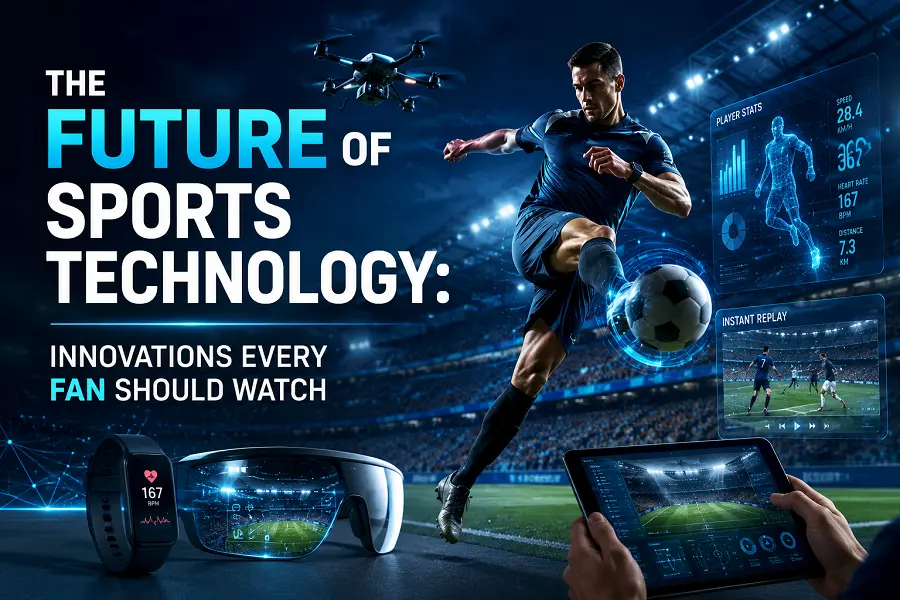
Sports technology is changing how fans experience games, athletes improve performance, and teams make strategic decisions. From intelligent wearables to immersive viewing experiences, innovation is making sports more interactive than ever before. Whether you enjoy football, cricket, basketball, or motorsports, emerging technologies are creating faster insights, better entertainment, and deeper fan engagement. Understanding these developments helps fans appreciate not only the competition but also the technology shaping the future of every match.
How Technology Is Transforming the Fan Experience
Watching sports is no longer limited to television broadcasts. Modern innovations allow supporters to interact with games in ways that were impossible just a few years ago.
- Augmented Reality (AR) overlays provide live player statistics during broadcasts.
- Virtual Reality (VR) lets fans enjoy immersive stadium-like experiences from home.
- Multi-angle camera options allow viewers to switch perspectives during live events.
- AI-powered highlights automatically generate personalized match recaps.
- Smart stadiums offer faster entry, digital ticketing, cashless payments, and interactive services.
- Mobile apps deliver real-time updates, fantasy sports integration, and customized notifications.
These features make every game more engaging while giving fans greater control over how they consume sports content.
Emerging Technologies Driving the Next Generation of Sports
Several innovations are expected to redefine professional and amateur sports over the coming years.
- Artificial Intelligence for Performance Analysis
AI processes thousands of data points to evaluate player movement, tactics, and game situations. Coaches can make quicker decisions while fans enjoy richer match analysis. - Wearable Performance Sensors
Smart devices monitor speed, heart rate, workload, recovery, and fatigue. This helps athletes optimize training and reduce injury risks throughout long seasons. - Advanced Injury Prevention Systems
Motion tracking and biomechanical analysis can detect movement patterns that may lead to injuries before they become serious. - Computer Vision and Automated Officiating
Technologies such as goal-line tracking and ball-tracking systems continue improving decision accuracy while reducing controversial calls. - Digital Collectibles and Fan Engagement Platforms
Exclusive digital experiences, rewards, and interactive memberships allow supporters to connect with their favorite teams beyond match days. - Cloud-Based Sports Analytics
Teams can securely analyze massive amounts of performance data while collaborating across coaching, medical, and scouting departments.
Challenges and What Fans Should Expect Next
Although sports technology continues to advance, balancing innovation with the spirit of competition remains essential. Excessive interruptions from technology can reduce the natural flow of games, while data privacy becomes increasingly important as wearable devices collect detailed athlete information.
Future developments will likely include smarter AI commentators, real-time language translation for global broadcasts, personalized viewing experiences based on fan preferences, and even more realistic virtual attendance options. Stadiums may also become increasingly connected, offering seamless navigation, instant food ordering, and interactive entertainment throughout events.
Technology will continue supporting officials and athletes without replacing the excitement, emotion, and unpredictability that make sports unique. The most successful innovations will be those that improve fairness, safety, and fan enjoyment while preserving the authenticity of competition.
Conclusion
The future of sports technology promises a richer experience for everyone involved. Artificial intelligence, wearable devices, immersive reality, advanced analytics, and smart stadium innovations are transforming both the playing field and the viewing experience. Fans can expect more personalized content, better match insights, and closer connections with their favorite teams. As technology continues to evolve, the heart of sports will remain the same—passion, competition, and unforgettable moments shared by millions around the world.
FAQs
1. What is sports technology?
Sports technology refers to digital tools, software, equipment, and innovations designed to improve athletic performance, officiating, fan engagement, and event management.
2. How does AI improve sports?
AI analyzes player performance, predicts trends, assists coaching decisions, creates personalized highlights, and enhances broadcast experiences.
3. What are smart stadiums?
Smart stadiums use connected technologies such as digital ticketing, mobile services, cashless payments, and real-time navigation to improve the visitor experience.
4. Can wearable technology prevent sports injuries?
Wearable devices help monitor physical workload, fatigue, and movement patterns, allowing coaches and medical teams to identify potential injury risks earlier.
5. Will technology replace human referees?
Technology is designed to support officials by improving decision accuracy, while final judgment and game management continue to rely on trained referees.